

For many manufacturers, the new year starts with ambitious production goals, updated forecasts, and plans for growth. What often gets less attention is whether the workforce is actually prepared to support those plans.
Manufacturing hiring planning is easy to push aside until a role is suddenly vacant or production starts falling behind. By then, the consequences are already showing up—overtime costs rise, teams stretch thin, and quality or safety issues creep in. In today’s tight labor market, especially for skilled manufacturing labor, waiting to hire can be one of the most expensive decisions a manufacturer makes.
A strong manufacturing staffing strategy in 2026 starts early. It connects hiring decisions to budgets, turnover trends, and production goals so that staffing gaps don’t derail performance.
Why Manufacturing Hiring Plans Fail Without Early Strategy
Most hiring challenges don’t come from poor execution—they come from late execution. When manufacturers wait to plan hiring until roles are open, they’re forced into reactive decisions that cost more and deliver less.
Three factors tend to create the biggest breakdowns in manufacturing hiring planning: budget timing, turnover, and production forecasting.
1. Budget Timing: When Hiring Is Approved Too Late
Hiring delays often start with budget cycles. Many manufacturers can’t officially begin recruiting until headcount and compensation budgets are approved. While this may make sense internally, it creates a disconnect with the realities of the labor market.
Skilled candidates are rarely sitting idle, waiting for approval cycles to finish. When hiring begins late, manufacturers are forced to compete harder, offer higher wages, or settle for a smaller talent pool. In some cases, roles stay open longer simply because the timing missed strong candidates who were available earlier in the year.
Early planning allows manufacturers to align hiring timelines with budget approvals, so recruiting can start the moment roles are greenlit, rather than weeks or months later.
2. Turnover: The Cost of Underestimating It
Turnover in manufacturing is rarely random. Retirements, burnout, and competitive offers are ongoing realities, especially in plants with physically demanding roles or aging workforces.
Yet many hiring plans assume best-case scenarios. When an automation technician or an engineer leaves unexpectedly, production teams are left scrambling to fill the gap. The workload shifts to remaining employees, increasing overtime and burnout, which raises the risk of additional turnover.
An effective manufacturing staffing strategy accounts for expected turnover before it happens. Planning ahead gives manufacturers time to build candidate pipelines instead of reacting to sudden departures.
3. Production Forecasts: Hiring Without the Full Picture
Production forecasts are constantly changing. New contracts, seasonal demand, expanded capacity, or new equipment can quickly increase labor needs. When workforce planning isn’t tied directly to these forecasts, manufacturers often underestimate how many people they need—or the level of skill required.
This disconnect leads to rushed hiring once production ramps up. Training timelines shrink, onboarding suffers, and productivity takes longer to stabilize. Aligning hiring plans with production forecasts ensures the workforce grows at the same pace as demand.
Identifying Manufacturing Roles That Will Be Hardest to Fill
Not all roles create the same level of risk when left unfilled. Some positions consistently take longer to hire and have a greater impact on production when they’re vacant. Identifying these roles early is a critical step in manufacturing hiring planning.
Engineers
Engineering roles in manufacturing can be some of the hardest positions to fill. Manufacturing engineers, process engineers, and quality engineers play a hands-on role in keeping production running smoothly. They help improve workflows, solve problems on the plant floor, and support efficiency and quality across operations.
When engineering roles are left unfilled, the impact is felt quickly. Process improvements slow down, inefficiencies last longer, and teams may struggle without the technical support they need. Planning ahead allows manufacturers to secure the right engineering talent before these gaps begin to affect productivity and performance.
Automation
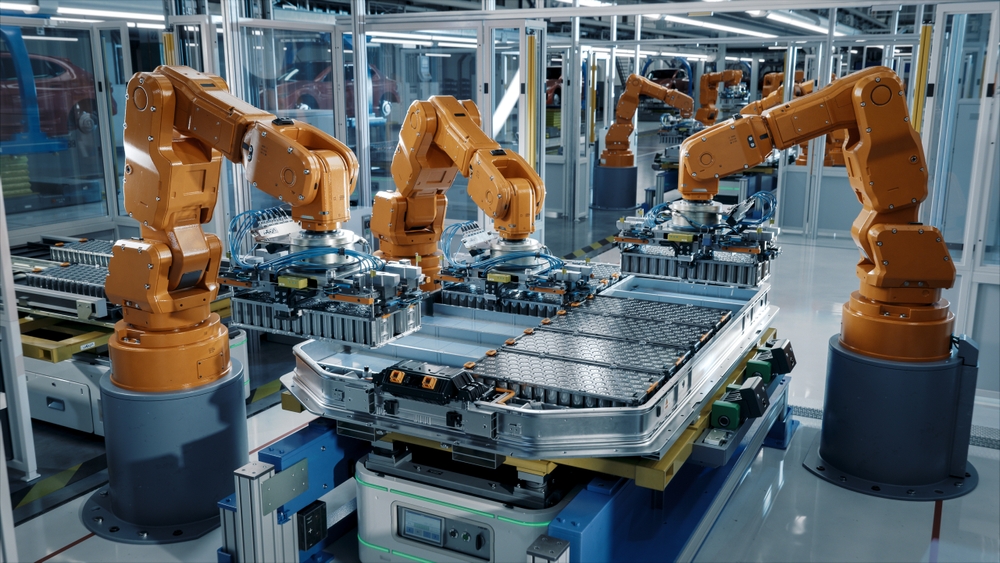
Automation roles have become essential as manufacturers continue to invest in robotics, PLC systems, and advanced controls. Automation technicians and controls engineers bring highly specialized skills that are in demand across multiple industries.
Because competition for this talent is intense, these roles often take longer to fill. Waiting until new systems are installed to begin hiring can delay implementation and reduce the return on investment.
A forward-looking manufacturing staffing strategy accounts for automation talent early—often well before equipment arrives.
Operations, Production, and Plant Managers
Operations, production, and plant managers are essential to keeping manufacturing facilities running smoothly. They oversee teams, manage production schedules, and ensure safety and quality standards are met on the floor.
Hiring for these roles can be challenging, as strong candidates need both manufacturing experience and leadership skills. When leadership positions remain open, communication and productivity can suffer. Planning ahead helps manufacturers prepare for leadership changes and maintain consistent operations without disruption.

How Specialized Recruiters Help You Hire Right the First Time
Even the best internal planning can fall short without the right recruiting support. This is where specialized recruiting partners play a critical role.
Recruiters who focus exclusively on manufacturing understand the realities behind each role. They know which positions are hardest to fill, how long hiring actually takes, and what skills truly matter on the production floor.
For manufacturers in the Kansas City area, working with trusted manufacturing recruiters KC businesses rely on, like Austin Nichols, can significantly improve hiring outcomes.
Austin Nichols supports manufacturing hiring planning by partnering closely with clients to understand their operations, goals, and long-term workforce needs. Rather than reacting to open roles, they help manufacturers build proactive pipelines for skilled manufacturing labor.
Our manufacturing-focused approach helps companies:
- Anticipate future hiring needs tied to production growth
- Identify hard-to-fill roles before they become urgent
- Reach qualified candidates who aren’t actively job searching
- Improve retention by prioritizing long-term fit
By integrating recruiting into a broader manufacturing staffing strategy, Austin Nichols helps manufacturers avoid rushed hires and costly turnover. The result is a more stable workforce, fewer disruptions, and hiring decisions that support long-term success—not just short-term fixes.
If your team is planning for growth or trying to avoid the stress of last-minute hiring, Austin Nichols can help you build a smarter hiring plan from the start. Their specialized manufacturing recruiters work alongside you to align hiring with your production goals, budget, and timeline, so you’re not scrambling when demand increases.
Reach out to Austin Nichols to start the conversation and make sure your workforce is ready for the year ahead.