
Landing a manufacturing job interview is a big step—but turning that opportunity into a job offer requires preparation, confidence, and a clear strategy.
The manufacturing industry is highly competitive, with employers looking for candidates who not only have the right technical skills but also demonstrate reliability, problem-solving ability, and a strong work ethic. A strong interview is your chance to show all of that and stand out from other qualified candidates.
Whether you’re applying for an entry-level role or a more advanced position, knowing how to prepare for a manufacturing job interview can make all the difference. Below are practical, easy-to-follow tips to help you walk into your next interview ready to succeed.
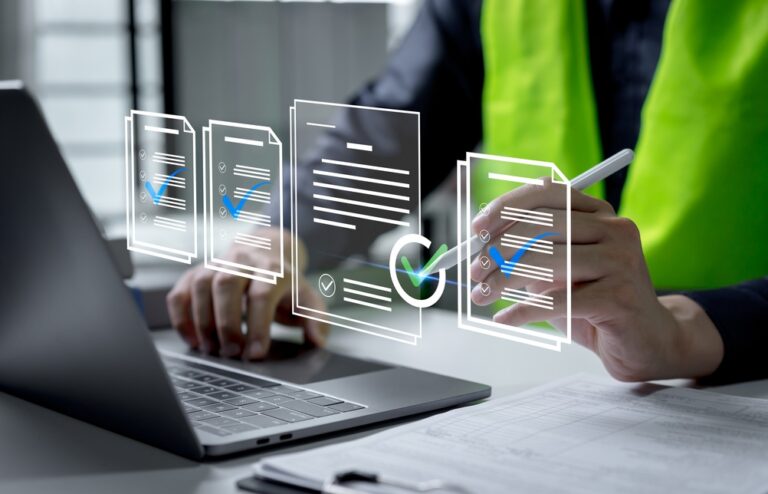
1. Bring Extra Copies of Your Resume
It may seem like a small detail, but bringing extra copies of your resume to a manufacturing job interview shows professionalism and preparation.
Even if you’ve already submitted your resume online, not every interviewer may have immediate access to it. Having copies on hand ensures that:
- Each interviewer can easily review your experience.
- You can reference specific roles, skills, or certifications during the conversation.
- The interview stays focused and efficient.
A good rule of thumb is to bring at least two to three extra copies of your resume. If you submitted a cover letter or certifications (such as OSHA training or technical credentials), consider bringing those as well.
This simple step helps you start the interview on the right foot and demonstrates attention to detail—an important trait in manufacturing roles.
2. Prepare for Common Manufacturing Interview Questions
One of the best ways to succeed in a manufacturing job interview is to prepare for common questions ahead of time.
You don’t need to memorize scripted answers, but you should have a clear idea of how you want to respond. This helps you avoid rambling while still sounding natural and confident.
Some common manufacturing interview questions include:
- What experience do you have in manufacturing or this specific role?
- What are your greatest strengths and weaknesses?
- How do you handle conflict with supervisors or team members?
- What do you know about our company and operations?
- Why do you want this manufacturing job?
- Where do you see yourself in the next five to 10 years?
- Why should we hire you over other candidates?
- Can you explain your experience with specific tools, machines, or processes?
When preparing your answers, focus on real examples from your past experience, clear explanations, and any notable results or outcomes.
Employers aren’t just evaluating your technical knowledge; they’re also looking at how you communicate and how well you’ll fit into the team. Thoughtful, well-structured answers can make a strong impression.
3. Highlight Relevant Skills and Experience
Manufacturing employers are often looking for a specific combination of technical skills and soft skills. Your interview is the perfect time to connect your experience directly to the role.
Be ready to speak confidently about:
- Your experience with machinery, tools, or production processes
- Safety knowledge and certifications
- Problem-solving in a production environment
- Ability to work as part of a team
- Reliability and attention to detail
Whenever possible, tie your experience back to real-world situations. For example, instead of simply saying you’re detail-oriented, explain how your attention to detail helped prevent errors or improve efficiency in a previous role. This approach makes your answers more memorable and demonstrates the value you bring to the position.
4. Ask Thoughtful Questions During the Interview
Interviews are not just about answering questions; they’re also an opportunity for you to learn more about the company and the role. Asking thoughtful questions shows that you’re engaged, prepared, and genuinely interested in the position.
Consider asking questions like:
- What does a typical day look like in this role?
- What are the biggest challenges facing the team right now?
- What opportunities are there for training or advancement?
- How does the company prioritize safety and efficiency?
- What qualities make someone successful in this position?
These types of questions help you better understand what to expect, while also demonstrating your interest in long-term success—not just getting the job.
If appropriate, you can also ask for feedback at the end of the interview. This can provide valuable insights for future opportunities, even if you don’t receive an offer.
5. Demonstrate Professionalism and Reliability
In manufacturing roles, employers place a high value on reliability, consistency, and professionalism. Your behavior during the interview should reflect these qualities.
Make sure to:
- Arrive on time or slightly early
- Dress appropriately for the company environment
- Maintain clear and confident communication
- Show respect for everyone you meet, from front desk staff to hiring managers
Small actions can leave a lasting impression. Employers are often looking for candidates they can depend on, and your interview is the first opportunity to demonstrate that.
6. Follow Up After the Interview
Following up after a manufacturing job interview is one of the simplest ways to stand out from other candidates, and it’s often overlooked.
Within 24 hours of your interview, send a brief thank-you email to your interviewer. This message should thank them for their time, reinforce your interest in the position, and highlight one or two key points from the conversation.
For example, you might mention a specific aspect of the role or company that excites you. This shows that you were engaged and paying attention during the interview. Since many candidates skip this step, a professional follow-up can help keep you top of mind as hiring decisions are made.
Setting Yourself Up for Interview Success
A successful manufacturing job interview comes down to preparation, clarity, and professionalism. By taking the time to prepare your answers, highlight your experience, and engage with your interviewer, you can confidently position yourself as a strong candidate.
From bringing extra copies of your resume to following up after the interview, small steps can make a big difference in how you’re perceived.
If you’re currently searching for a manufacturing job or looking for new opportunities, having the right support can help you move forward with confidence.
Austin Nichols Technical Search works with job seekers across manufacturing, engineering, and construction to connect them with the right opportunities. Our team understands what employers are looking for and how to help you stand out.
Ready to take the next step in your career? Contact Austin Nichols today to explore available manufacturing opportunities and get expert guidance throughout your job search.