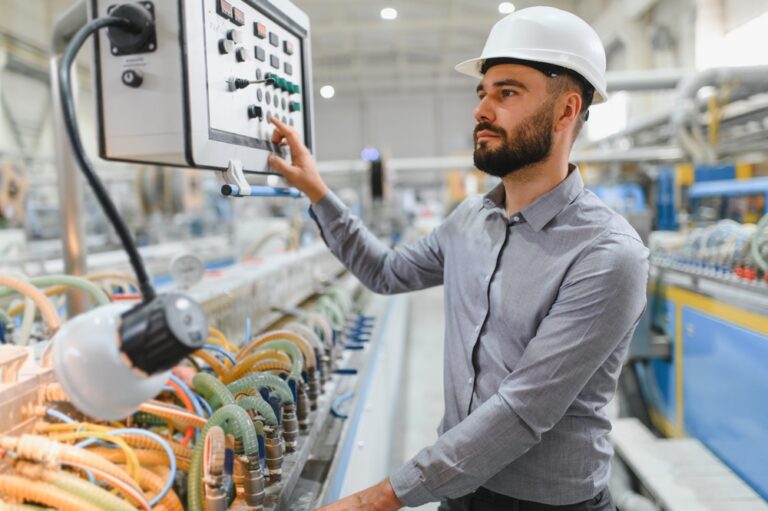

From automated production lines to industrial machinery, engineers play a major role in keeping modern industries moving. Mechanical and manufacturing engineers are often the people behind the systems, equipment, and processes that help businesses operate more efficiently, safely, and reliably every day.
For students interested in technology, problem-solving, and hands-on innovation, becoming an engineer offers strong long-term opportunities across a wide range of industries.
While the two fields overlap in many areas, each focuses on different parts of the engineering and production process. Understanding the education, technical skills, and experience required can help aspiring engineers build a clearer path toward a successful career.
What Do Mechanical and Manufacturing Engineers Do?
Mechanical and manufacturing engineers often work closely together, but their day-to-day responsibilities can differ depending on the industry and project.
In many environments, mechanical engineers focus more on product and system design, while manufacturing engineers focus on how products are efficiently produced and improved at scale.
Mechanical Engineers
Mechanical engineers design, test, and improve machines, tools, systems, and mechanical components. Their work often centers around functionality, motion, durability, and performance.
Depending on the industry, a mechanical design engineer may help develop:
- Industrial equipment
- HVAC systems
- Automotive components
- Robotics systems
- Aerospace equipment and products
- Consumer products
- MEP systems
Mechanical engineers frequently use CAD software and simulation tools to create designs, evaluate performance, and troubleshoot mechanical issues before production begins.
Because the field is broad, mechanical engineering careers can range from highly technical design work to project management and systems development.
Manufacturing Engineers
Manufacturing engineers focus on improving production processes, efficiency, quality control, and workflow within manufacturing environments.
Their responsibilities may include:
- Streamlining production systems
- Improving manufacturing efficiency
- Reducing waste and downtime
- Optimizing manufacturing processes
- Implementing automation solutions
- Supporting quality assurance initiatives
- Evaluating production equipment and processes
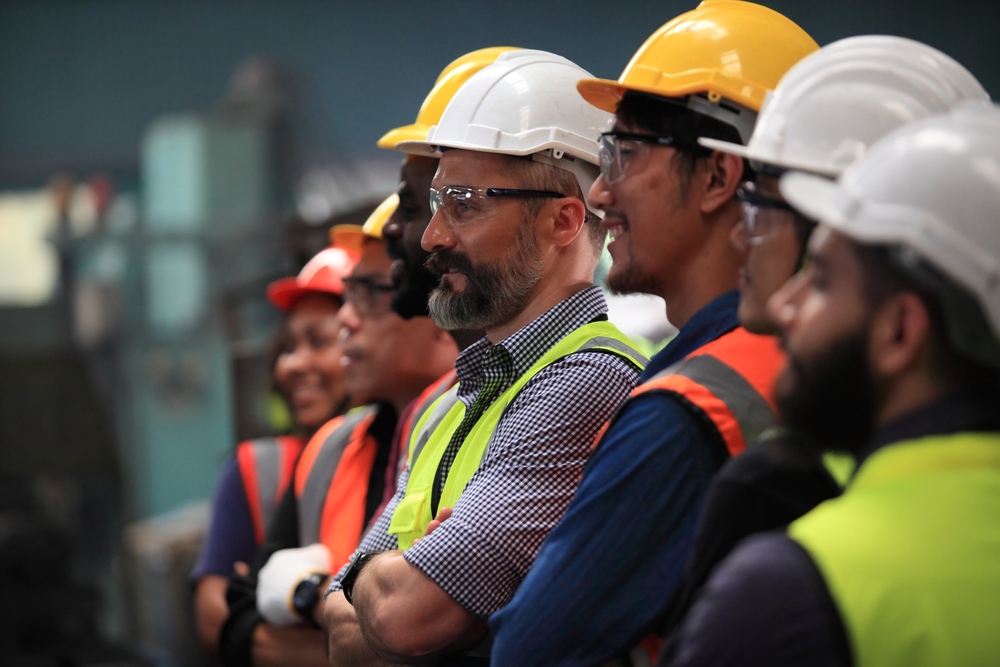
Manufacturing engineers often work directly with operations teams, machinists, technicians, and production managers to ensure products are manufactured safely, consistently, and cost-effectively.
As automation and AI manufacturing technologies continue to grow, manufacturing engineering careers are becoming increasingly tied to robotics, data analysis, and process optimization.

Earning the Right Engineering Degree
For most students, the first step toward becoming a mechanical or manufacturing engineer is earning a bachelor’s degree in a related engineering field.
Choosing the right educational path can make a significant difference when applying for internships, certifications, and future engineering roles.
Choose an ABET-Accredited Program
One of the most important factors when selecting an engineering program is accreditation. Many employers prefer graduating engineers from ABET-accredited engineering programs because accreditation helps verify that the curriculum meets established industry and educational standards.
ABET accreditation can also become important later for engineers pursuing professional licensure.
Students interested in a manufacturing engineering career path or mechanical engineering education should carefully review program accreditation, available lab facilities, internship opportunities, and industry partnerships before selecting a school.
Common Degree Options
Several degree paths can support careers in engineering and manufacturing, including:
- Mechanical Engineering
- Manufacturing Engineering
- Industrial Engineering
- Mechanical Engineering Technology
Mechanical engineering programs typically focus heavily on physics, mechanics, thermodynamics, and system design. Manufacturing engineering programs often place additional emphasis on production systems, automation, materials processing, and operational efficiency.
Technology programs may offer a more hands-on, application-focused approach for students interested in implementation and technical operations.
Gaining Hands-On Experience Early
While classroom education is essential, practical experience often plays an equally important role in preparing students for engineering careers.
Employers frequently look for candidates who understand both technical theory and real manufacturing or production environments.
Internships and Co-Op Programs
Engineering internships and cooperative education programs provide valuable hands-on experience while students are still completing their degrees, and are a great opportunity for engineering students to get their first job.
Internships can help students:
- Apply engineering concepts in professional settings
- Gain exposure to manufacturing operations
- Build industry connections
- Learn workplace communication skills
- Strengthen resumes before graduation
For many students, internships also provide insight into which engineering specialty or industry best matches their interests.
Manufacturing facilities, industrial companies, aerospace firms, automotive manufacturers, and energy companies often offer internship opportunities for engineering students throughout the year.
Building Technical Skills Outside the Classroom
Students pursuing mechanical or manufacturing engineering careers can also benefit from developing technical skills independently.
Examples include:
- CAD software proficiency
- 3D printing experience
- CNC machining knowledge
- Robotics programming
- Automation systems familiarity
- Basic coding and data analysis skills
Engineering clubs, robotics competitions, and maker spaces can provide additional opportunities to strengthen practical problem-solving abilities.
Hands-on experience not only improves technical confidence but also helps students better understand how engineering concepts translate into real production and operational environments.

Developing Workplace Skills
Technical ability is important, but many successful engineers also develop strong professional and communication skills.
Engineers frequently collaborate with:
- Project managers
- Production teams
- Technicians
- Vendors
- Designers
- Engineering executives
Because of this, employers often value engineers who can communicate clearly, manage projects effectively, work collaboratively across departments, and other soft skills.
Problem-solving, adaptability, leadership skills, organization, and time management are also important skills for long-term career growth.
Understanding Licensing and Certifications
Depending on the industry and career path, some engineers may choose to pursue additional certifications or professional licensure.
While there are engineering jobs you can land without an advanced degree, certifications can help support career advancement and specialized expertise.
Fundamentals of Engineering (FE) Exam
The Fundamentals of Engineering (FE) exam is often the first step toward becoming a licensed Professional Engineer (PE).
Many students take the FE exam shortly before or after graduation. Passing the exam designates an individual as an Engineer in Training (EIT) or Engineering Intern (EI), depending on the state.
For engineers pursuing long-term technical leadership roles, obtaining FE certification can be an important early career milestone.
Professional Engineer (PE) License
After gaining several years of professional experience, some engineers choose to pursue a PE license.
Requirements typically include:
- Passing the FE exam
- Completing qualifying work experience
- Passing the PE exam
PE licensure can be especially important in industries involving public infrastructure, consulting, or engineering sign-off responsibilities.
In some cases, licensure may also support advancement into senior engineering or management positions.
Additional Certifications and Specialized Skills
As manufacturing technologies continue evolving, many engineers also pursue additional certifications in specialized areas such as:
- Lean manufacturing
- Automation systems
- PLC programming
- Quality management systems
These certifications can help engineers strengthen their technical expertise while staying competitive in modern manufacturing environments.

Exploring Career Opportunities and Growth Paths
Mechanical and manufacturing engineers work across a wide variety of industries, giving professionals flexibility to pursue different engineering specialties throughout their careers.
Industries Hiring Engineers
Mechanical engineering jobs and manufacturing engineering careers can be found in industries such as:
- Aerospace
- Automotive
- Industrial manufacturing
- Robotics and automation
- Energy and utilities
- Medical device manufacturing
- Consumer products
- Construction and infrastructure
As production technologies continue advancing, demand for engineers with automation, process improvement, and systems integration experience is expected to remain strong.
Engineering careers can evolve in several different directions over time. Some professionals may eventually transition into leadership, consulting, research and development, or specialized technical roles.
Because engineering skills are highly transferable, many professionals also have opportunities to move between industries throughout their careers.
Building a Strong Foundation for an Engineering Career
Mechanical and manufacturing engineering both offer rewarding career paths for people who enjoy solving problems, working with technology, and finding smarter ways to improve how things are designed and produced. From automation and robotics to product design and process improvement, engineers continue to shape the future of modern manufacturing every day.
Getting started in the engineering field takes a combination of education, hands-on experience, and a willingness to keep learning as technology evolves. Students who build strong technical skills early, seek out real-world experience, and stay curious about new advancements can set themselves up for long-term success across a wide range of industries.
At Austin Nichols, we’re proud to support the industries and professionals that keep manufacturing moving forward. Whether you’re exploring career opportunities in manufacturing or looking for trusted industrial expertise and solutions, our team is here to help.
If you’d like to learn more about our industrial solutions and how we help support engineering and manufacturing operations, contact our team today.